

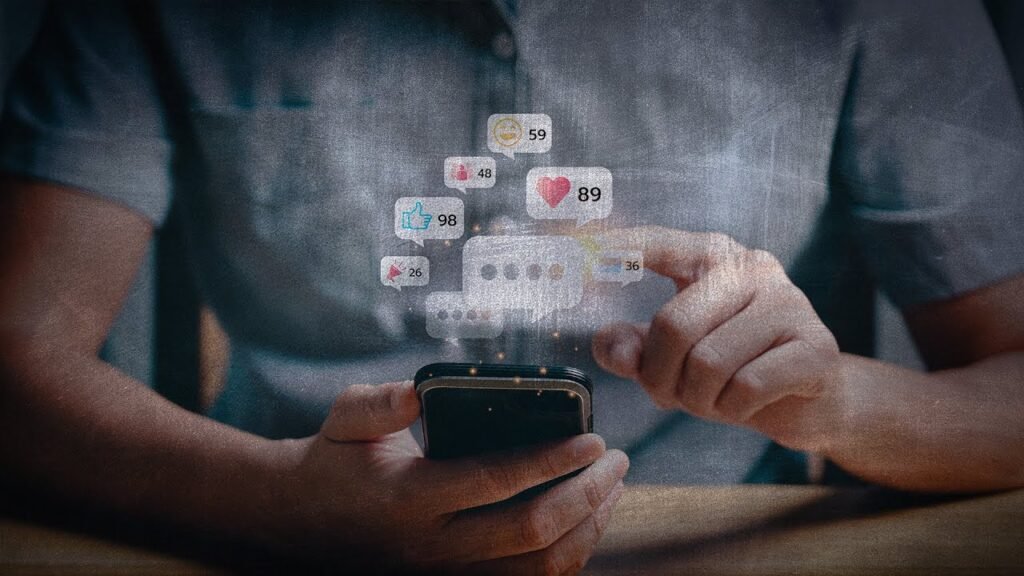
Social media has become an essential part of modern life, connecting billions of people across the globe. Platforms such as Facebook, Instagram, TikTok, X (formerly Twitter), LinkedIn, Snapchat, and YouTube have transformed how we communicate, learn, work, and entertain ourselves. With just a smartphone and an internet connection, people can share ideas, build relationships, discover new opportunities, and stay informed about current events.
While social media offers countless benefits, its growing influence has also raised concerns about its effects on mental health. Many people spend several hours each day scrolling through feeds, watching videos, or interacting online. Excessive use can contribute to stress, anxiety, low self-esteem, sleep problems, and social isolation. At the same time, when used responsibly, social media can provide emotional support, educational resources, and meaningful connections.
The Evolution of Social Media
The first generation of social networking websites focused mainly on connecting friends and sharing personal updates. Over time, social media evolved into powerful ecosystems that support entertainment, education, shopping, business marketing, and professional networking.
Artificial intelligence now plays a significant role in determining what users see. Algorithms analyze interests, engagement patterns, and viewing habits to personalize content. While personalization makes platforms more engaging, it can also increase screen time and encourage repetitive usage.
As smartphones became more affordable and internet access improved worldwide, social media usage expanded rapidly across all age groups.
How Social Media Influences Mental Health
Mental health includes emotional, psychological, and social well-being. It affects how people think, feel, manage stress, and build relationships.
Social media influences mental health in different ways depending on factors such as:
- Time spent online
- Type of content consumed
- Personal self-esteem
- Age
- Offline social support
- Individual personality
- Purpose of using social media
For some individuals, social media improves well-being by creating meaningful connections and learning opportunities. For others, excessive exposure may contribute to emotional challenges.
Positive Effects of Social Media on Mental Health
Despite common concerns, social media provides several important mental health benefits when used responsibly.
1. Staying Connected with Loved Ones
One of the greatest advantages of social media is its ability to maintain relationships regardless of distance. Families, friends, and colleagues can stay connected through messages, video calls, and shared experiences.
Strong social connections can reduce feelings of loneliness and improve emotional well-being.
2. Building Supportive Communities
People experiencing difficult situations often find comfort through online communities.
Support groups exist for:
- Anxiety
- Depression
- Chronic illnesses
- Parenting
- Students
- Career guidance
- Grief recovery
Connecting with people facing similar experiences can provide encouragement, practical advice, and emotional support.